Our Systems

Reverse Osmosis Systems for Long Island Homes

Point-of-use reverse osmosis treats drinking water for a single tap, such as the kitchen sink. pHountain Water Filtration sells the Lifeguard Reverse Osmosis System in Nassau and Suffolk, with professional installation. Here is how reverse osmosis works and what to check before you buy, with every fact linked to its source.

Phone: Mon–Fri 9 a.m.–5 p.m., Sat 10 a.m.–2 p.m. 6 cited sourcesSources checked

Sold by Phone

The Lifeguard Reverse Osmosis System

pHountain Water Filtration sells the Lifeguard Reverse Osmosis System by phone in Nassau and Suffolk, professionally installed in homes on public water or a private well. Call for its specifications, price and installation details.

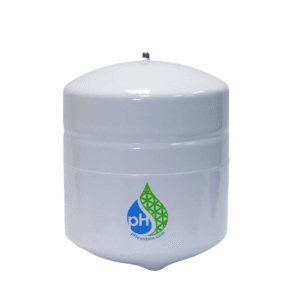
Storage tank of the Lifeguard Reverse Osmosis System

Under-sink reverse osmosis system

Lifeguard Reverse Osmosis System

A reverse osmosis system that fits under the kitchen sink and supplies drinking water at the sink.

  • Sold by phone on Long Island (Nassau and Suffolk)
  • Professionally installed where installation applies
  • For homes on public water or a private well
  • Financing is available for eligible customers

Replacement parts in our online store: Lifeguard Reverse Osmosis Replacement Set, Lifeguard Reverse Osmosis Membrane.

How does reverse osmosis work?

EPA’s WaterSense program explains: “RO is the process by which pressure forces water through a semi-permeable membrane, creating a stream of treated water, called ‘permeate,’ and a stream of reject water called ‘concentrate’ or ‘brine.’”⁠[1]

Home systems are point-of-use systems. The CDC says “Point-of-use systems treat water in batches and deliver it to a single tap, such as your kitchen sink,”⁠[2] and EPA notes that “Under the sink systems are another POU option.”⁠[3]

EPA describes the usual setup: reverse osmosis systems “force water through a thin barrier (in typically a three, four, or five stage filtration process) that separates chemicals from the water, creating a stream of treated drinking water and untreated water.”⁠[3]

What can reverse osmosis reduce?

General information. This section describes reverse osmosis as a technology, not any particular system. What a specific system reduces is shown on its label and by its certification for each contaminant.

The CDC says “Reverse osmosis systems will remove some types of chemicals from water, including lead, copper, chromium, chloride, and sodium (salt). They may also reduce levels of arsenic, fluoride, radium, sulfate, calcium, magnesium, potassium, nitrate, and phosphorous.”⁠[2]

On PFAS, the New York State Department of Health says “Water filtration units that use granulated activated carbon (GAC, also called charcoal filters) and reverse osmosis (RO) can be effective in removing PFAS chemicals from drinking water.”⁠[4] EPA adds that “the current certification standards for PFAS filters (as of April 2024) do not yet indicate that a filter will remove PFAS down to the levels EPA has now set for a drinking water standard.”⁠[3] Our PFAS guide covers the rules and testing in more detail.

How to check a specific system

The CDC advises: “Check your treatment system’s label to make sure the system removes the chemicals or germs you are concerned about.”⁠[2] For PFAS, EPA says to “Look on product labels for certification under NSF/ANSI 53 or NSF/ANSI 58 for PFAS reduction.”⁠[3] For any specific contaminant, ask for independent certification data (for example NSF/ANSI listings) for the exact system you are considering.

How much water does reverse osmosis send down the drain?

Reverse osmosis splits the water it takes in. EPA explains that “The untreated water is sent ‘down the drain’ to septic or municipal sewer systems.”⁠[3]

According to WaterSense, “a typical point-of-use RO system will generate five gallons or more of reject water for every gallon of treated water produced,” while “point-of-use RO systems that earn the WaterSense label must demonstrate that they send just 2.3 gallons of water or less down the drain for every gallon of treated water they produce.”⁠[1] Ask about a system’s reject-water ratio before you buy.

Does reverse osmosis remove minerals?

It can. Among the substances reverse osmosis may reduce, the CDC lists calcium, magnesium and potassium.⁠[2] pHountain Water Filtration’s Lifeguard Alkaline Reverse Osmosis System adds an alkaline remineralization stage after its reverse osmosis stage, and our Mineralizer System is a stage designed to add minerals to filtered drinking water.

What upkeep does reverse osmosis need?

EPA says a reverse osmosis system “Requires changing filter cartridges and the RO membrane,” and that “Filters are only effective if they are maintained according to the manufacturer’s instructions for how long their filters or membranes will last before they need to be replaced.”⁠[3] Replacement filter sets and membranes for the Lifeguard system are sold in our online store; ask us for its replacement schedule.
Compare pHountain Water Filtration’s Systems

A point-of-use reverse osmosis system treats the water for one tap. pHountain Water Filtration’s main service, whole-home filtration, treats the water at the main line.

pHountain sells these systems on Long Island (Nassau and Suffolk Counties), professionally installed where installation applies. Prices on request.
SystemWhat it isWhere it goesMore
pHountain Filtration System (whole-home)Whole-home (point-of-entry) systemAt the main water lineDetails
3-Stage Water SystemUnder-sink filter with three filter stagesUnder the kitchen sinkDetails
Lifeguard Reverse Osmosis SystemUnder-sink reverse osmosis systemUnder the kitchen sinkOn this page
Lifeguard Alkaline Reverse Osmosis SystemUnder-sink reverse osmosis with an alkaline remineralization stageUnder the kitchen sinkDetails
Aerus Elevate pH Max SystemWater ionizerOn the countertop or under the sinkDetails
Mineralizer SystemMineral stage for filtered drinking waterAdded to a compatible filtration systemDetails

Free In-Home Water Test

Not sure what your water needs?

pHountain Water Filtration offers a free, no-obligation in-home water test. A local specialist tests your water at your home and explains the results, and our specialists are trained for both well water and municipal supply.

The CDC notes: “If your tap water does not contain harmful chemicals or germs, you may not need a home water treatment system.”⁠[2]

On public water, the Safe Drinking Water Act has EPA set “national health-based standards for drinking water,” and “US EPA, states, and water systems then work together to make sure that these standards are met.”⁠[5] Your supplier’s annual water quality report shows what was found: “Reports must be sent by your water supplier each year by July 1.”⁠[6] Private wells are different: “SDWA does not regulate private wells which serve fewer than 25 individuals.”⁠[5] Our private well guide explains testing.

Measuring PFAS and 1,4-dioxane at the levels regulators use (parts per trillion and parts per billion) requires analysis by a certified laboratory; a free in-home water test is a starting point for understanding your water and your options.

Free In-Home Water Test

Tell us about your home and we will reach out to schedule your free water test.

FAQ

Reverse Osmosis: Common Questions

What is a reverse osmosis system?

A reverse osmosis (RO) system uses pressure to push water through a semi-permeable membrane, which splits it into treated water and a stream of reject water, as EPA's WaterSense program describes it. Home RO systems are point-of-use systems, which the CDC describes as treating water in batches and delivering it to a single tap, such as the kitchen sink.

What does reverse osmosis remove?

The CDC says reverse osmosis removes some types of chemicals, including lead, copper, chromium, chloride and sodium, and may also reduce arsenic, fluoride, radium, sulfate, calcium, magnesium, potassium, nitrate and phosphorus. That describes the technology in general. What a specific system removes is shown on its label and by its certification for each contaminant, so ask for the NSF/ANSI listing for the exact model you are considering.

Can reverse osmosis reduce PFAS?

The New York State Department of Health says water filtration units that use granulated activated carbon and reverse osmosis can be effective in removing PFAS chemicals from drinking water. EPA advises looking on product labels for certification under NSF/ANSI 53 or NSF/ANSI 58 for PFAS reduction. Measuring PFAS at the levels regulators use requires analysis by a certified laboratory; a free in-home water test is a starting point for understanding your water and your options.

How much water does a reverse osmosis system send down the drain?

EPA's WaterSense program says a typical point-of-use reverse osmosis system generates five gallons or more of reject water for every gallon of treated water, while systems that earn the WaterSense label send 2.3 gallons of water or less down the drain for every gallon they treat. Ask about a system's ratio before you buy.

Does reverse osmosis remove minerals from water?

It can: the CDC lists calcium, magnesium and potassium among the substances reverse osmosis may reduce. pHountain Water Filtration's Lifeguard Alkaline Reverse Osmosis System adds an alkaline remineralization stage after its reverse osmosis stage.

Do I need a reverse osmosis system if I am on public water?

Under the Safe Drinking Water Act, EPA sets national health-based standards for drinking water, and EPA, states and water systems work together to make sure those standards are met. Your supplier's annual water quality report shows what was found in your water; EPA says it must be sent each year by July 1. The CDC notes that if your tap water does not contain harmful chemicals or germs, you may not need a home water treatment system. The law does not regulate private wells that serve fewer than 25 people.

How do I buy the Lifeguard Reverse Osmosis System?

Call pHountain Water Filtration at 1-631-991-3995, Monday to Friday 9 a.m. to 5 p.m. or Saturday 10 a.m. to 2 p.m., for price and installation details. We sell it in Nassau and Suffolk Counties, professionally installed in homes on public water or a private well. Financing is available for eligible customers. Replacement filter sets and membranes are sold in our online store.

Sources

  1. U.S. EPA (WaterSense), Point-of-Use Reverse Osmosis Systems
  2. Centers for Disease Control and Prevention, About Home Water Treatment Systems
  3. U.S. EPA, Identifying Drinking Water Filters Certified to Reduce PFAS
  4. NYS Department of Health, PFAS and Private Wells
  5. U.S. EPA, Overview of the Safe Drinking Water Act
  6. U.S. EPA, CCR Information for Consumers

Sources checked .

This page was prepared by pHountain Water Filtration in Islip, NY. Its general water facts are quoted from the public sources listed above; the system descriptions and sales details are pHountain Water Filtration’s own.

Call to Ask

Ask about reverse osmosis for your home.

Call 1-631-991-3995 (Mon–Fri 9 a.m.–5 p.m., Sat 10 a.m.–2 p.m.) for price and installation details, or book a free in-home water test.