For New York PFAS drinking water limits and deadlines, start with the federal setting: on May 18, 2026, the U.S. Environmental Protection Agency (EPA) stated, “On April 10, 2024, EPA announced the final NPDWR for six PFAS” (EPA). For the rule’s coverage as of October 23, 2025, EPA identified “community water systems (CWSs) and non-transient non- community water systems, hereafter referred to collectively as water systems” (EPA).
Quick answer
For the state requirement as of April 2024, the New York State Department of Health (NYSDOH) stated: “Until 2029, public water systems must still meet New York State maximum contaminant levels of 10 ppt for PFOA and PFOS” (NYSDOH). As of October 8, 2026, EPA said of its proposed mechanism: “The proposed mechanism does not change the PFOA and PFOS MCLs established in the 2024 PFAS NPDWR which remain 4.0 parts per trillion (ppt) each” (EPA). For the federal compliance milestone, EPA’s October 23, 2025 explanation stated: “April 26, 2029: All regulated water systems must comply with the PFAS MCLs” (EPA).
Key points for checking the deadlines
- For regular monitoring, NYSDOH’s April 2024 explanation stated: “All MCLs require public water systems to regularly monitor for contaminants” (NYSDOH).
- For conditional approval, EPA’s proposal page, as of October 8, 2026, referred to “those systems requesting and granted a federal exemption for the PFOA and PFOS MCLs” (EPA).
- For state legislation, pHountain’s PFAS guide, dated October 25, 2026, reported: “S3207B, which would lower the state limits for PFOA and PFOS to no higher than 4 parts per trillion; as of October 25, 2026, the Senate’s record showed it passed by both houses and not signed into law” (pHountain).
What the federal reporting calendar requires
As of its October 23, 2025 notification guidance, EPA identified the monitoring transition as: “April 26, 2027: Initial monitoring ends and compliance monitoring begins” (EPA). For report content, the same EPA guidance stated: “CWSs are required to begin reporting initial PFAS monitoring data in CCRs delivered after April 26, 2027” (EPA).
For the annual report delivery date, the same EPA guidance stated: “CWSs must deliver CCRs annually by July 1” (EPA). On delivery frequency, that guidance said: “Beginning in 2027, CWSs serving 10,000 people or more must provide CCRs biannually or twice per year” (EPA).
How the proposed federal exemption would work
As of October 8, 2026, EPA described the May 18, 2026 proposal as “providing an option for drinking water systems to request two additional years – to 2031 – to comply with the enforceable limits” (EPA). The same EPA page described the proposed jurisdictional condition: “This proposed mechanism would govern the process for systems to request and obtain a two-year federal exemption from the PFOA and PFOS MCLs in states, territories, and Tribes that have not obtained primacy for those MCLs” (EPA).
On monitoring and reporting, EPA stated: “For drinking water systems granted the federal PFOA and PFOS MCL exemption, all monitoring and reporting of sample results are required to be met according to the timeframes under the final April 2024 PFAS NPDWR” (EPA). On sampling frequency under the 2024 rule, the same EPA page said: “all drinking water systems with PFOA or PFOS sample results at or above the MCLs of 4.0 ppt are required under the 2024 PFAS NPDWR to conduct the most frequent monitoring” (EPA).
What exemption notices would need to explain
For the general annual notification obligation, EPA’s page, as of October 8, 2026, stated: “All drinking water systems operating under any exemption are required to notify the people they serve through annual Public Notification” (EPA). For community-system reports, that EPA page also stated: “Community drinking water systems are also required to notify their customers as part of their annual or biannual Consumer Confidence Reports” (EPA). For notices under the proposed extension framework, the same EPA page stated: “These notices and reports must contain information including reasons for why the exemption is in place and a brief description of the steps the system is taking to comply with the MCLs by the end of the exemption period (April 2031)” (EPA).
What New York requires after a confirmed exceedance
As of its April 2024 explanation, NYSDOH described the response to a confirmed exceedance this way: “If there is a confirmed MCL exceedance, the public water system will work with their local health department to notify the public and develop a course of action and timetable to reduce levels below the MCL” (NYSDOH). On infrastructure support, the same department stated: “The Department of Health has also helped communities remove PFAS from drinking water through infrastructure grant and loan opportunities” (NYSDOH).
Which other PFAS provisions face a separate proposal
For the individual-limit framework, EPA’s May 18, 2026 account stated that it had established levels for “PFOA, PFOS, PFHxS, PFNA, and HFPO-DA as contaminants with individual MCLs” (EPA). For mixtures, the same EPA account identified “PFAS mixtures containing at least two or more of PFHxS, PFNA, HFPO-DA, and PFBS using a Hazard Index MCL” (EPA).
In the separate proposal, as described on May 18, 2026, EPA proposed to “rescind drinking water regulations for PFHxS, PFNA, HFPO-DA (commonly known as GenX), and the Hazard Index mixture of these three PFAS plus PFBS” (EPA). As of its October 8, 2026 rescission-proposal page, EPA stated: “The comment period for the proposed rule closed on July 20, 2026” (EPA).
How enforceable limits differ from health goals
As of April 2024, NYSDOH described MCLs as “the highest level of a contaminant allowed in drinking water delivered by public water systems. MCLs are enforceable regulatory limits” (NYSDOH). For health goals, the same NYSDOH explanation stated: “MCLGs are not regulatory levels and are not enforceable” (NYSDOH).
On New York’s standards, the department’s April 2024 explanation stated: “New York State was one of the first to develop its own health-based enforceable drinking water standards for PFOA and PFOS in 2020” (NYSDOH). For background on persistence, pHountain’s PFAS guide, dated October 25, 2026, quoted EPA’s description of PFAS as “widely used, long lasting chemicals, components of which break down very slowly over time” (pHountain).
What to ask your public water supplier
When reviewing reports for a Long Island address, ask your public water supplier for the document containing its latest results and the date those results were collected. Ask which deadline a notice refers to: sampling, report delivery or compliance.
When reviewing correspondence about an extension, ask whether it is proposed, requested or granted. Request the supporting notice and compare its sample dates, publication date and compliance date.
Use the PFAS limits and testing guide, water-quality education page and private-well education page to prepare your questions. Keep a copy of the report beside any later notice, and ask your supplier to identify the passage supporting each date.
Questions about reports and regulatory coverage
How will my supplier send me its water quality report?
As of October 23, 2025, EPA stated: “CWSs must directly deliver the CCR to customers by mail, electronic means, or another approved method, in addition to making a good faith effort to provide the CCR to non-bill paying consumers” (EPA). On finding a report, pHountain’s PFAS guide, dated October 25, 2026, quoted an instruction from the New York State Department of Health: “Find and map a large public water system closest to you and view its Annual Drinking Water Quality Report” (pHountain).
Must New York systems report PFAS beyond PFOA and PFOS?
As of April 2024, NYSDOH stated: “Public water systems must report on all PFAS included in the analytical method when they detect any level of PFOA and PFOS” (NYSDOH). On the wider monitoring schedule, the same department stated: “Public water systems in New York must monitor for more than 100 different contaminants on a regular schedule, including PFOA, PFOS and 1,4-dioxane” (NYSDOH).
Do public-system PFAS limits regulate my private well?
On private-well coverage, pHountain’s PFAS guide, dated October 25, 2026, quoted the New York State Department of Health: “New York State does not regulate PFAS in private wells” (pHountain). For the role of public-water standards in private-well guidance, the same guide quoted the department’s explanation: “The state’s highly protective drinking water standards for perfluorooctanoic acid (PFOA) and perfluorooctanesulfonic acid (PFOS) are used as guidelines to recommend actions to reduce exposures in private wells” (pHountain).
Before you request a water test
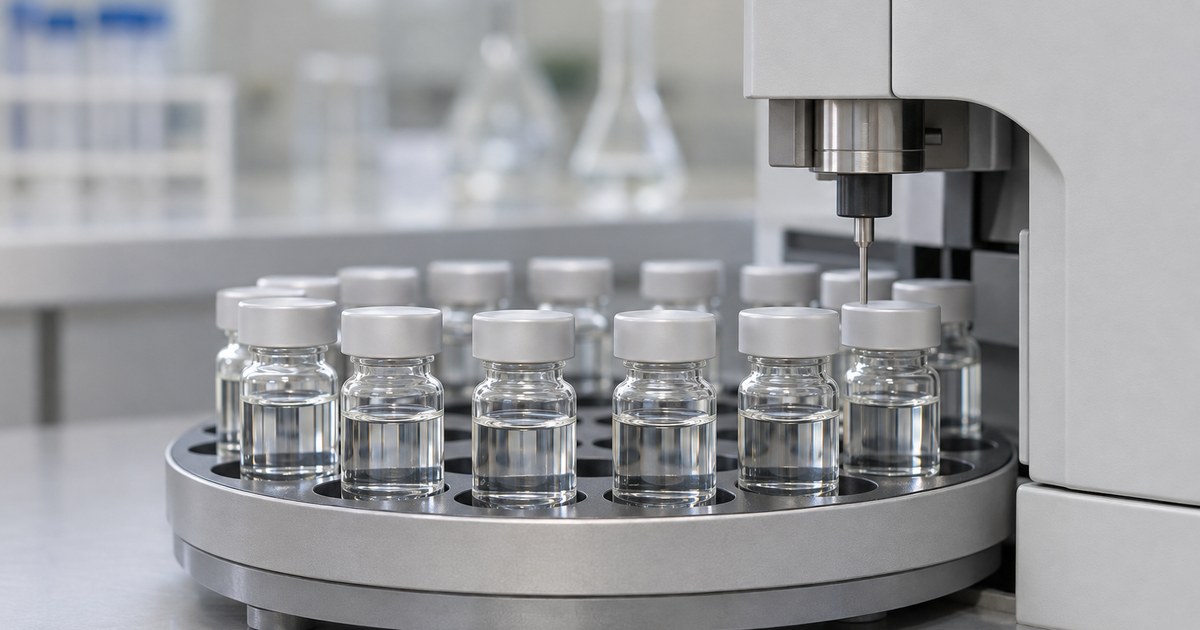
On laboratory testing, pHountain’s PFAS guide, dated October 25, 2026, quoted the Department of Health: “PFAS tests are performed by a small number of certified laboratories that have specialized equipment and quality control procedures” (pHountain). Measuring PFAS and 1,4-dioxane at the levels regulators use (parts per trillion and parts per billion) requires analysis by a certified laboratory; a free in-home water test is a starting point for understanding your water and your options. You can request pHountain’s free in-home water test, offered with no obligation.
Information on our website about water quality, health benefits, or filtration performance is provided for general educational purposes only and does not constitute medical, legal, or engineering advice.
Works Cited
- “Per- and Polyfluoroalkyl Substances (PFAS).” U.S. Environmental Protection Agency, 18 May 2026, www.epa.gov/sdwa/and-polyfluoroalkyl-substances-pfas. Accessed 12 Nov. 2026.
- “PFAS in Drinking Water: Limits & Facts.” pHountain Water Filtration, 25 Oct. 2026, phountainwaterfilters.com/pfas. Accessed 12 Nov. 2026.
- “Proposed PFAS Rescission Rule.” U.S. Environmental Protection Agency, 8 Oct. 2026, www.epa.gov/sdwa/proposed-pfas-rescission-rule. Accessed 12 Nov. 2026.
- “Proposed PFOA and PFOS Compliance Extension Rule.” U.S. Environmental Protection Agency, 8 Oct. 2026, www.epa.gov/sdwa/proposed-pfoa-and-pfos-compliance-extension-rule. Accessed 12 Nov. 2026.
- “Public Water Systems and Drinking Water Standards for PFAS and Other Emerging Contaminants.” New York State Department of Health, Apr. 2024, www.health.ny.gov/environmental/water/drinking/emerging_pfas_publicwater.htm. Accessed 12 Nov. 2026.
- U.S. EPA, OW, Office of Ground Water, and Drinking Water. “Per- and Polyfluoroalkyl Substances Notifications to Consumers: A Quick Reference Guide.” U.S. Environmental Protection Agency, 23 Oct. 2025, www.epa.gov/system/files/documents/2025-01/pfas-notifications-to-consumers-qrg-jan25.pdf. Accessed 12 Nov. 2026.